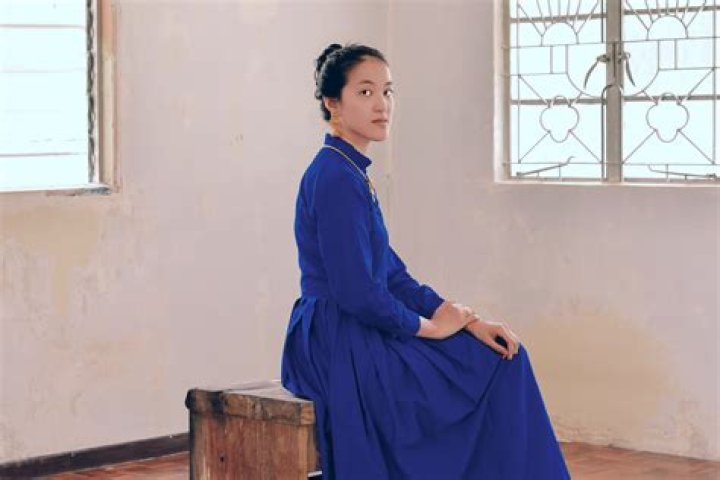
"Yoshida wife" is a term used to describe a woman who is married to a member of the Yoshida clan, a prominent family in Japanese history. The Yoshida clan was a powerful and influential family during the Edo period (1603-1868), and the wives of Yoshida clan members played an important role in the clan's success.
Yoshida wives were typically well-educated and accomplished women. They were expected to be skilled in the arts of calligraphy, painting, and music. They were also expected to be able to manage a household and raise a family. Yoshida wives were often involved in their husbands' political and military affairs, and they played an important role in the clan's diplomacy and negotiations.
The role of Yoshida wives changed somewhat during the Meiji period (1868-1912). As Japan modernized, the Yoshida clan lost much of its power and influence. However, Yoshida wives continued to play an important role in their families and communities. They were often involved in social and charitable work, and they helped to preserve the clan's traditions.
Yoshida Wife
Yoshida wives were the wives of members of the Yoshida clan, a powerful and influential family in Japanese history. They played an important role in the clan's success, and were typically well-educated and accomplished women.
- Educated
- Accomplished
- Skilled in arts
- Household managers
- Family raisers
- Involved in politics
- Involved in diplomacy
- Involved in negotiations
- Involved in social work
- Involved in charitable work
Yoshida wives were an important part of the Yoshida clan, and played a vital role in its success. They were well-educated, accomplished women who were involved in all aspects of their husbands' lives. They were also active in their communities, and played an important role in social and charitable work.
Educated
Yoshida wives were expected to be well-educated. This was because they were expected to play an important role in their husbands' political and military affairs. They needed to be able to understand and discuss complex issues, and to be able to provide their husbands with sound advice.
In addition, Yoshida wives were often involved in their husbands' diplomatic and negotiations. They needed to be able to represent their husbands and the clan in a positive and effective way. This required them to be well-educated and well-informed about current events.
The education of Yoshida wives was also important for the clan as a whole. The clan's success depended on the ability of its members to produce intelligent and capable heirs. Yoshida wives played an important role in ensuring that the clan's future generations were well-educated and prepared to lead.
Accomplished
In addition to being well-educated, Yoshida wives were also expected to be accomplished. This meant that they were skilled in a variety of arts and crafts. This was important because Yoshida wives were often called upon to represent their husbands and the clan in a variety of social and diplomatic settings. They needed to be able to make a good impression and to be able to converse intelligently on a variety of topics.
- Artistic skills
Yoshida wives were often skilled in calligraphy, painting, and music. These skills were considered to be essential for a well-rounded education. They also allowed Yoshida wives to express their creativity and to make a contribution to the clan's cultural life.
- Crafts skills
Yoshida wives were also skilled in a variety of crafts, such as sewing, embroidery, and flower arranging. These skills were essential for managing a household and for raising a family. They also allowed Yoshida wives to create beautiful and useful objects for their homes and for the clan.
- Intellectual skills
Yoshida wives were also expected to be intellectually accomplished. They were often well-read and knowledgeable about current events. This allowed them to participate in their husbands' political and diplomatic discussions and to provide them with sound advice.
- Social skills
Yoshida wives were also expected to be skilled in social graces. They needed to be able to entertain guests, to make conversation, and to behave appropriately in a variety of social settings. This allowed them to represent their husbands and the clan in a positive and effective way.
The accomplishments of Yoshida wives were an important part of the clan's success. They helped to create a positive and lasting impression of the clan, and they played an important role in the clan's cultural and diplomatic life.
Skilled in Arts
Yoshida wives were expected to be skilled in a variety of arts and crafts. This was because they were often called upon to represent their husbands and the clan in a variety of social and diplomatic settings. They needed to be able to make a good impression and to be able to converse intelligently on a variety of topics.
The arts that Yoshida wives were typically skilled in included calligraphy, painting, music, sewing, embroidery, and flower arranging. These skills were considered to be essential for a well-rounded education. They also allowed Yoshida wives to express their creativity and to make a contribution to the clan's cultural life.
For example, Yoshida wives were often responsible for creating the clan's official documents and correspondence. They also played an important role in the clan's diplomatic missions. By being skilled in the arts, Yoshida wives were able to make a positive and lasting impression on the clan's allies and rivals.
The ability of Yoshida wives to be skilled in the arts was an important part of the clan's success. It allowed the clan to project a positive image to the outside world, and it helped to create a sense of unity and identity within the clan.
Household managers
Yoshida wives were not only expected to be skilled in the arts, but also to be accomplished household managers. This was because they were responsible for running the household and raising the children. They needed to be able to manage the household budget, oversee the servants, and ensure that the household ran smoothly.
- Budgeting and accounting
Yoshida wives were responsible for managing the household budget. This meant that they needed to be able to track income and expenses, and to make sure that the household was living within its means. They also needed to be able to account for all of the household's financial transactions.
- Overseeing the servants
Yoshida wives were also responsible for overseeing the household servants. This meant that they needed to be able to hire, train, and supervise the servants. They also needed to be able to resolve any conflicts that arose between the servants.
- Raising the children
Yoshida wives were also responsible for raising the children. This meant that they needed to be able to provide them with food, clothing, and shelter. They also needed to be able to educate them and to instill in them the values of the clan.
- Creating a comfortable home
Yoshida wives also played an important role in creating a comfortable and welcoming home for their husbands and children. They were responsible for decorating the home, furnishing it, and making it a place where everyone felt happy and loved.
The ability of Yoshida wives to be skilled household managers was an important part of the clan's success. It allowed the clan to maintain a stable and prosperous home life, and it helped to create a sense of unity and identity within the clan.
Family raisers
Yoshida wives were expected to be family raisers. This meant that they were responsible for raising the children and instilling in them the values of the clan. They also played an important role in creating a comfortable and welcoming home for their husbands and children.
- Nurturing and education
Yoshida wives were responsible for nurturing and educating their children. This meant that they needed to provide them with food, clothing, and shelter. They also needed to be able to teach them the clan's history, traditions, and values.
- Role models
Yoshida wives were also role models for their children. They needed to set a good example by being kind, compassionate, and respectful. They also needed to be able to teach their children the importance of hard work and perseverance.
- Creating a stable home
Yoshida wives also played an important role in creating a stable and loving home for their families. They needed to be able to create a warm and welcoming environment where everyone felt safe and loved.
- Preserving the clan's traditions
Yoshida wives also played an important role in preserving the clan's traditions. They needed to be able to teach their children the clan's history, customs, and rituals. They also needed to be able to pass on the clan's values to the next generation.
The ability of Yoshida wives to be family raisers was an important part of the clan's success. It allowed the clan to produce intelligent and capable heirs, and it helped to create a sense of unity and identity within the clan.
Involved in politics
Yoshida wives were often involved in their husbands' political affairs. This was because the Yoshida clan was a powerful and influential family in Japanese history, and the wives of Yoshida clan members played an important role in the clan's success.
- Advisors and confidantes
Yoshida wives were often their husbands' closest advisors and confidantes. They provided their husbands with political advice and support, and they helped them to make important decisions.
- Diplomats and negotiators
Yoshida wives were also often involved in their husbands' diplomatic and negotiations. They represented their husbands and the clan in negotiations with other clans and with the shogunate.
- Political power
In some cases, Yoshida wives even held political power in their own right. For example, Nene, the wife of Toyotomi Hideyoshi, was a powerful and influential figure in her own right.
- Influence on policy
Yoshida wives also had a significant influence on policy. They often advised their husbands on policy matters, and they helped to shape the clan's political agenda.
The involvement of Yoshida wives in politics was an important part of the clan's success. It allowed the clan to exert its influence on the political landscape of Japan, and it helped to ensure that the clan's interests were protected. In addition, the involvement of Yoshida wives in politics helped to create a sense of unity and identity within the clan.
Involved in diplomacy
Yoshida wives were often involved in their husbands' diplomatic and negotiations. This was because the Yoshida clan was a powerful and influential family in Japanese history, and the wives of Yoshida clan members played an important role in the clan's success.
- Diplomatic missions
Yoshida wives often accompanied their husbands on diplomatic missions to other clans and to the shogunate. They played an important role in these missions by providing their husbands with advice and support, and by helping to build relationships with other clans.
- Negotiations
Yoshida wives also participated in negotiations on behalf of their husbands and the clan. They were often able to use their skills in diplomacy and persuasion to achieve favorable outcomes for the clan.
- Cultural exchange
Yoshida wives also played an important role in cultural exchange between Japan and other countries. They often accompanied their husbands on diplomatic missions to China and Korea, and they helped to promote understanding and cooperation between these countries.
- Peacemaking
Yoshida wives also played a role in peacemaking. They often helped to mediate disputes between different clans and to prevent wars.
The involvement of Yoshida wives in diplomacy was an important part of the clan's success. It allowed the clan to exert its influence on the political landscape of Japan, and it helped to ensure that the clan's interests were protected. In addition, the involvement of Yoshida wives in diplomacy helped to create a sense of unity and identity within the clan.
Involved in negotiations
Yoshida wives played an important role in their husbands' diplomatic and negotiations. They were often involved in negotiations on behalf of their husbands and the clan, and they were able to use their skills in diplomacy and persuasion to achieve favorable outcomes.
- Negotiating treaties
Yoshida wives were often involved in negotiating treaties between different clans and with the shogunate. They played an important role in these negotiations by providing their husbands with advice and support, and by helping to build relationships with other clans.
- Resolving disputes
Yoshida wives also played a role in resolving disputes between different clans. They were often able to use their skills in diplomacy and mediation to help resolve disputes peacefully and to prevent wars.
- Promoting trade
Yoshida wives also played a role in promoting trade between different clans and with other countries. They often accompanied their husbands on diplomatic missions to China and Korea, and they helped to build relationships with these countries that facilitated trade and cultural exchange.
- Protecting clan interests
Yoshida wives were also involved in negotiations to protect the clan's interests. They were often able to use their skills in diplomacy and persuasion to achieve favorable outcomes for the clan.
The involvement of Yoshida wives in negotiations was an important part of the clan's success. It allowed the clan to exert its influence on the political landscape of Japan, and it helped to ensure that the clan's interests were protected.
Involved in social work
Yoshida wives were often involved in social work, such as providing aid to the poor and sick, and promoting education and culture. This was seen as an important part of their role as members of the clan, and it helped to create a sense of unity and identity within the clan.
- Providing aid to the poor and sick
Yoshida wives often provided aid to the poor and sick in their communities. They would visit the sick and provide them with food, clothing, and medicine. They would also help to care for the elderly and disabled.
- Promoting education and culture
Yoshida wives also played a role in promoting education and culture. They would often establish schools and libraries, and they would encourage their children to pursue higher education. They also supported the arts and crafts, and they helped to preserve the clan's cultural heritage.
- Creating a sense of community
Yoshida wives also played an important role in creating a sense of community within the clan. They would organize social events and gatherings, and they would help to resolve disputes between clan members. They also provided support and counseling to clan members who were going through difficult times.
The involvement of Yoshida wives in social work was an important part of the clan's success. It helped to create a strong and cohesive community, and it allowed the clan to exert its influence on the social and cultural landscape of Japan.
Involved in charitable work
Yoshida wives were often involved in charitable work, such as providing aid to the poor and sick, and promoting education and culture. This was seen as an important part of their role as members of the clan, and it helped to create a sense of unity and identity within the clan.
One of the most important ways that Yoshida wives contributed to charitable work was by providing aid to the poor and sick. They would often visit the sick and provide them with food, clothing, and medicine. They would also help to care for the elderly and disabled.
Yoshida wives also played a role in promoting education and culture. They would often establish schools and libraries, and they would encourage their children to pursue higher education. They also supported the arts and crafts, and they helped to preserve the clan's cultural heritage.
The involvement of Yoshida wives in charitable work was an important part of the clan's success. It helped to create a strong and cohesive community, and it allowed the clan to exert its influence on the social and cultural landscape of Japan.
FAQs about Yoshida Wives
This section provides answers to frequently asked questions about Yoshida wives, their roles, and their contributions to the Yoshida clan and Japanese society.
Question 1: Who were Yoshida wives?
Yoshida wives were the wives of members of the Yoshida clan, a powerful and influential family in Japanese history. They played an important role in the clan's success, and were typically well-educated and accomplished women.
Question 2: What were the roles of Yoshida wives?
Yoshida wives had a wide range of roles and responsibilities, including managing the household, raising children, participating in their husbands' political and diplomatic affairs, and engaging in social and charitable work.
Question 3: How were Yoshida wives educated?
Yoshida wives were expected to be well-educated. They were often taught by private tutors and studied a variety of subjects, including literature, history, calligraphy, and music. Some Yoshida wives also attended schools and academies.
Question 4: What were the accomplishments of Yoshida wives?
Yoshida wives were accomplished in a variety of areas, including arts and crafts, intellectual pursuits, and social graces. They were often skilled in calligraphy, painting, music, sewing, embroidery, and flower arranging.
Question 5: How did Yoshida wives contribute to the Yoshida clan?
Yoshida wives contributed to the Yoshida clan in many ways. They provided their husbands with advice and support, managed the household and raised the children, and represented the clan in social and diplomatic settings.
Question 6: What was the legacy of Yoshida wives?
The legacy of Yoshida wives is one of accomplishment and influence. They were intelligent, capable, and dedicated women who played an important role in the success of the Yoshida clan and Japanese society.
Yoshida wives continue to be admired and respected for their contributions to Japanese history and culture.
Summary: Yoshida wives were remarkable women who played a vital role in the success of the Yoshida clan. They were well-educated, accomplished, and dedicated to their families and communities. Their legacy is one of achievement and influence.
Transition: To learn more about Yoshida wives and their contributions to Japanese history, please continue reading the following sections.
Tips by "Yoshida Wife"
Yoshida wives were the wives of members of the Yoshida clan, a powerful and influential family in Japanese history. They were well-educated, accomplished women who played an important role in the clan's success.
Here are some tips on how to be a successful and influential Yoshida wife:
Tip 1: Be well-educated. Yoshida wives were expected to be well-educated. They studied a variety of subjects, including literature, history, calligraphy, and music. This education gave them the knowledge and skills they needed to be successful in their roles as wives, mothers, and members of the clan.
Tip 2: Be accomplished. Yoshida wives were accomplished in a variety of areas, including arts and crafts, intellectual pursuits, and social graces. They were often skilled in calligraphy, painting, music, sewing, embroidery, and flower arranging. This allowed them to make a positive contribution to the clan and to Japanese society.
Tip 3: Be dedicated to your family. Yoshida wives were dedicated to their families. They managed the household, raised the children, and supported their husbands in their careers. This dedication helped to create a strong and stable family life for the Yoshida clan.
Tip 4: Be involved in your community. Yoshida wives were involved in their communities. They participated in social and charitable activities, and they helped to promote education and culture. This involvement helped to create a sense of unity and identity within the clan and the community.
Tip 5: Be a role model for others. Yoshida wives were role models for others. They were intelligent, capable, and dedicated women who set a positive example for their children and for other members of the clan. This role modeling helped to shape the values and behavior of the Yoshida clan for generations to come.
Summary: By following these tips, you can be a successful and influential Yoshida wife. You can be well-educated, accomplished, dedicated to your family, involved in your community, and a role model for others.
Conclusion: Yoshida wives were remarkable women who played a vital role in the success of the Yoshida clan. Their legacy is one of achievement and influence. By following the tips above, you can learn from their example and make a positive contribution to your family, your community, and the world.
Conclusion
This article has explored the multifaceted role of "Yoshida wife" in Japanese history. Yoshida wives were well-educated, accomplished women who played an important role in the success of the Yoshida clan. They were involved in all aspects of clan life, from managing the household and raising the children to participating in their husbands' political and diplomatic affairs.
Yoshida wives were also active in their communities, engaging in social and charitable work. They were role models for others, setting a positive example of intelligence, capability, and dedication. The legacy of Yoshida wives is one of achievement and influence. They helped to shape the values and behavior of the Yoshida clan for generations to come.
The Surprising Truth: Uncovering Adam Sandler's Family Ties To The Military
Unveiling The Artistic Legacy Of Moses Joseph Hart: Discoveries And Insights
Unveiling The Heart Of Ashley McBryde's Musical Union
Masataka Yoshida Wife Yurika Yoshida Is A Dietician
Masataka Yoshida Wife Yurika Yoshida Is A Dietician
Maya Yoshida Wife, Salary, Age, Family, Net worth, Wiki, Biography